
Project Overview
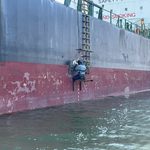
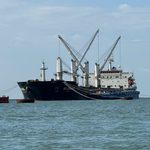
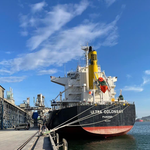
In April 2026, VNS – Vietnam Ship Services Company carried out a full underwater hull inspection on a 229-metre bulk carrier at Cam Pha Anchorage, Quang Ninh, Vietnam. The owner requested the inspection to assess the condition of the underwater hull while the vessel was at anchor. Working from a dive boat alongside the vessel, our team completed the safety checks and permit-to-work arrangements before inspecting the hull, propeller, rudder and underwater fittings. The divers recorded the findings with underwater photos and CCTV video, and VNS subsequently submitted a written inspection report to the owner.
Project Information
- Vessel Type: Bulk Carrier, LOA 229 m
- Location: Cam Pha Anchorage, Quang Ninh, Vietnam
- Service: Underwater Hull Inspection
- Scope: Full underwater hull inspection for the owner, with photos, CCTV video and a written report
- Project Execution: VNS Hai Phong Branch
- Completed: April 2026
Underwater Hull Inspection Scope of Work
Owners and technical managers arrange underwater hull inspections to check the condition of the hull between dry dockings. An inspection can show how much fouling has built up, the condition of the coating and anodes, and whether there is any damage to the hull, propeller or rudder. As a result, the owner can plan hull cleaning, propeller polishing or repairs at the right time, rather than waiting for the next dry dock.
This job was an inspection for the owner’s own information. At Cam Pha Anchorage, bulk carriers load and discharge cargo while remaining at anchor, rather than alongside a conventional berth. For this reason, the owner arranged the inspection while the vessel remained at the anchorage, without changing her cargo schedule.
Pre-Dive Safety
Before diving commenced, the diving team completed the required safety checks and permit-to-work arrangements in coordination with the vessel:
- Vessel: the Master, Chief Engineer and diving supervisor confirmed that the anchor was secured, diving signals were displayed, and the main engine, propeller, thrusters and steering gear were locked out. Intakes, pumps, boiler blowdown, ICCP and transducers were isolated, and other craft were not allowed to come alongside or cast off without the diving supervisor’s confirmation
- Dive boat: the dive boat was secured alongside, with diving signals displayed and radio contact established with the vessel
- Dive team: the diving supervisor checked the dive plan, the divers’ medical fitness, first-aid and emergency equipment, and the diving equipment, and held a toolbox talk with the team before the dive
Full Hull Inspection
The divers inspected the underwater hull and fittings, including:
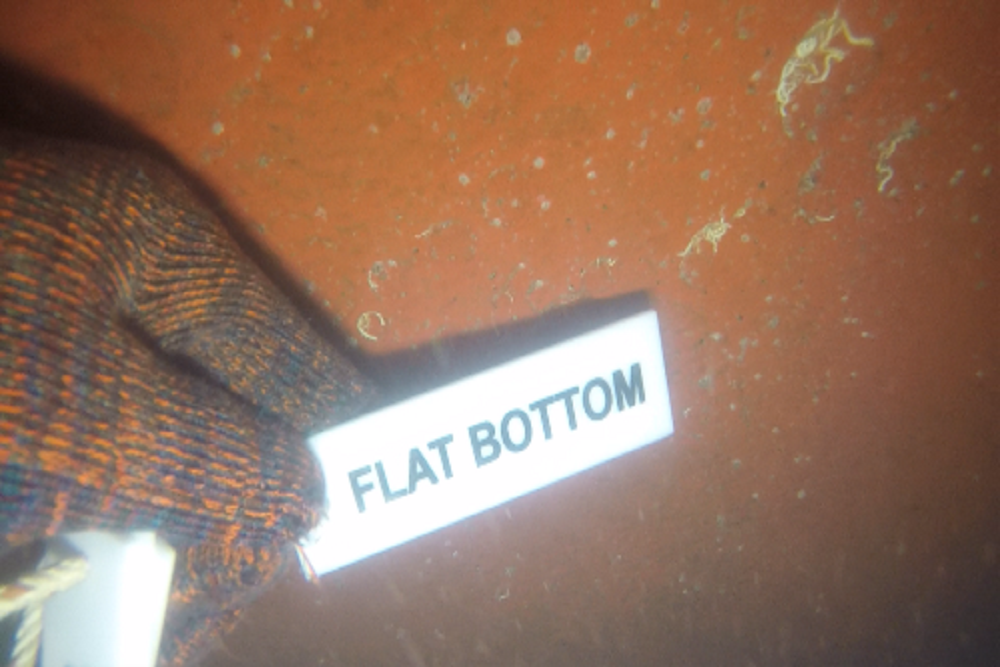
- Hull plating and coating: vertical sides, flat bottom and keel plate, checking for visible damage, weld seam condition, coating condition and marine fouling
- Bulbous bow: fouling and visible condition
- Bilge keels: condition, weld joints and bilge keel anodes
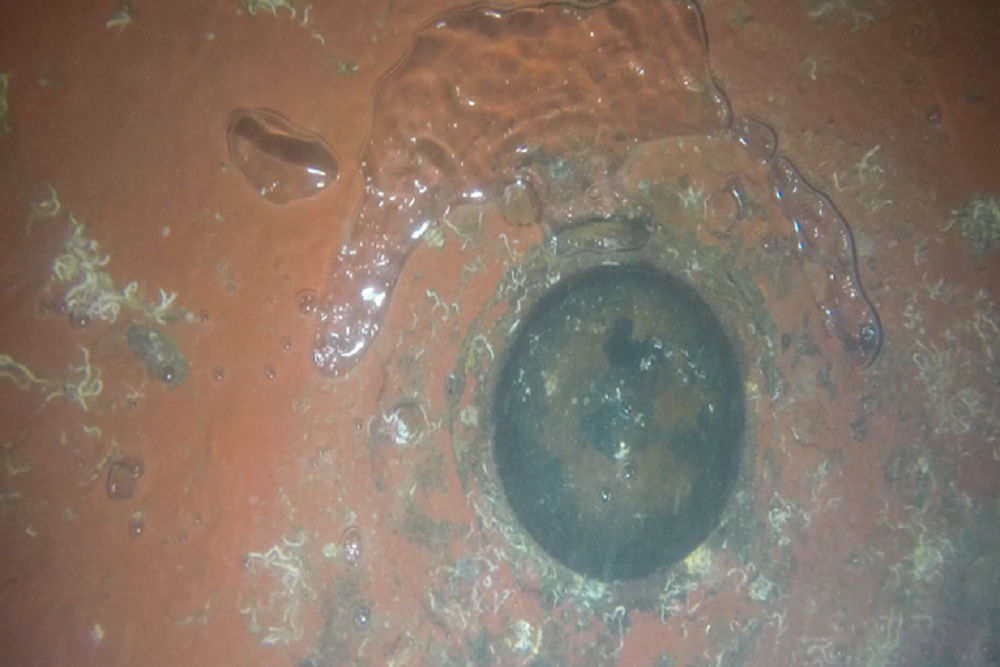
- Sea chest gratings: port, starboard and emergency sea chests
- Transducers: visible condition
- Rudder: rudder horn, rudder stock, plating and rudder plugs
- Propeller: single four-blade propeller, boss cone, propeller shaft and rope guard, with Rubert comparator readings taken on both sides of every blade
General Hull Condition
The report found the hull in normal condition at the time of inspection:
- Coating: self-polishing copolymer (SPC) antifouling in fair condition, with no peeling, blistering, cracking or corrosion
- Hull plating: no apparent damage on the vertical sides, flat bottom or keel plate; weld seams in satisfactory condition, with no visible cracks
- Bilge keels: no damage and no cracks at the weld joints; bilge keel anodes on both sides about 70% remaining
- Sea chest gratings: bolted gratings intact and in fair condition, with seizing wires and locking pins intact
- Transducers: good condition
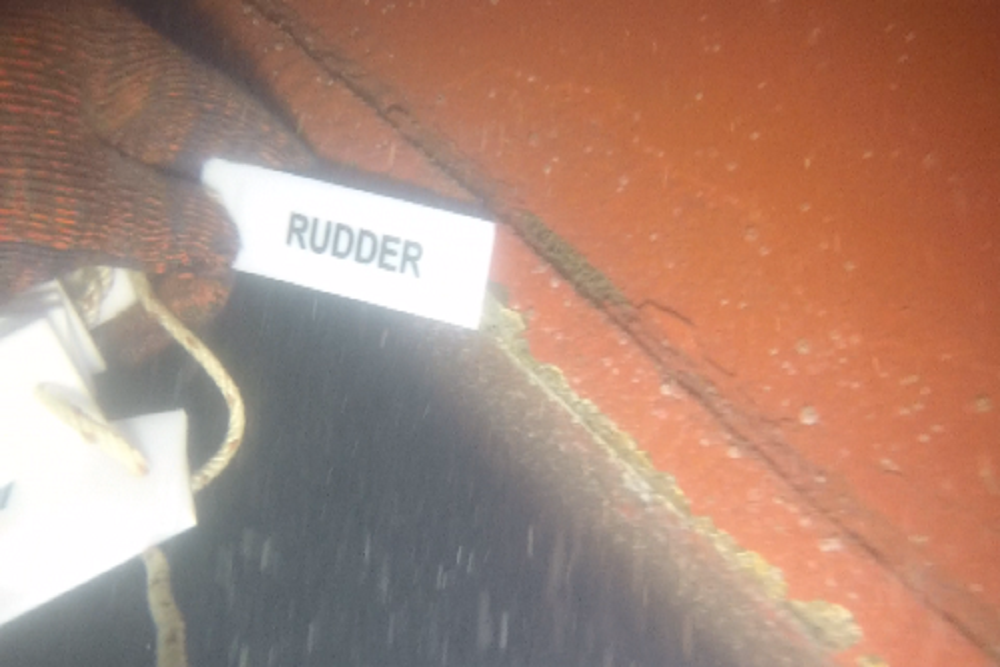
- Rudder: no visible damage to the rudder horn or stock; plating satisfactory, no visible cracks and rudder plugs intact
Hull Fouling Findings
The divers recorded the type and extent of marine growth on each area of the hull. The figures below are approximate, as estimated by the divers during the inspection:
| Area | Fouling found (approx. coverage, thickness) |
|---|---|
| Bulbous bow | Acorn barnacles 10%, 5 mm |
| Port side | Acorn barnacles 10%; soft marine growth 20%, 2–5 mm |
| Starboard side | Acorn barnacles 10%, 5 mm; soft marine growth 20%, 2–5 mm |
| Flat bottom | Tube worms 20%, 20–50 mm |
| Sea chests | Acorn barnacles 20%, 10 mm |
| Propeller | Acorn barnacles 5%, 5 mm; algae 10%, 2–5 mm |
| Rudder | Acorn barnacles 10%, 10 mm |
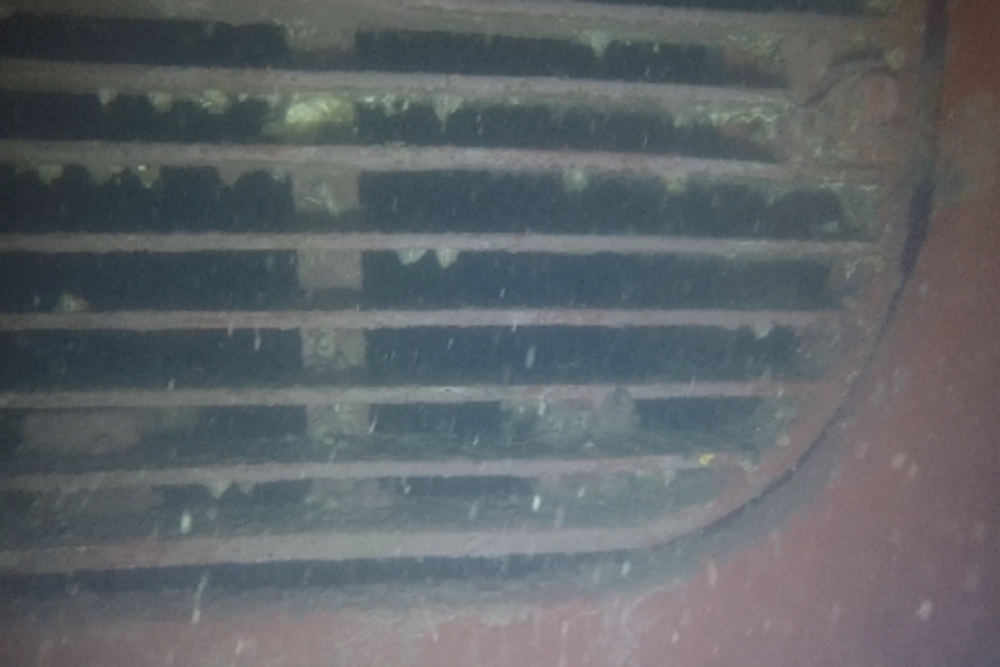
The heaviest growth was found on the flat bottom, where tube worms reached 20–50 mm, and in the sea chests, where barnacles covered about 20% of the area. Fouling of this kind adds drag and, in the sea chests, can restrict cooling water flow. Managing hull fouling is also part of the IMO 2023 Biofouling Guidelines.
Propeller Findings
The propeller section of the inspection gave a detailed picture of the propeller’s condition. Surface roughness was recorded with a Rubert comparator, which compares the blade surface with six reference specimens graded from A (smoothest) to F (roughest):
| Blade | 1 | 2 | 3 | 4 |
|---|---|---|---|---|
| Pressure side – Rubert | C | C | C | C |
| Suction side – Rubert | D | D | D | D |
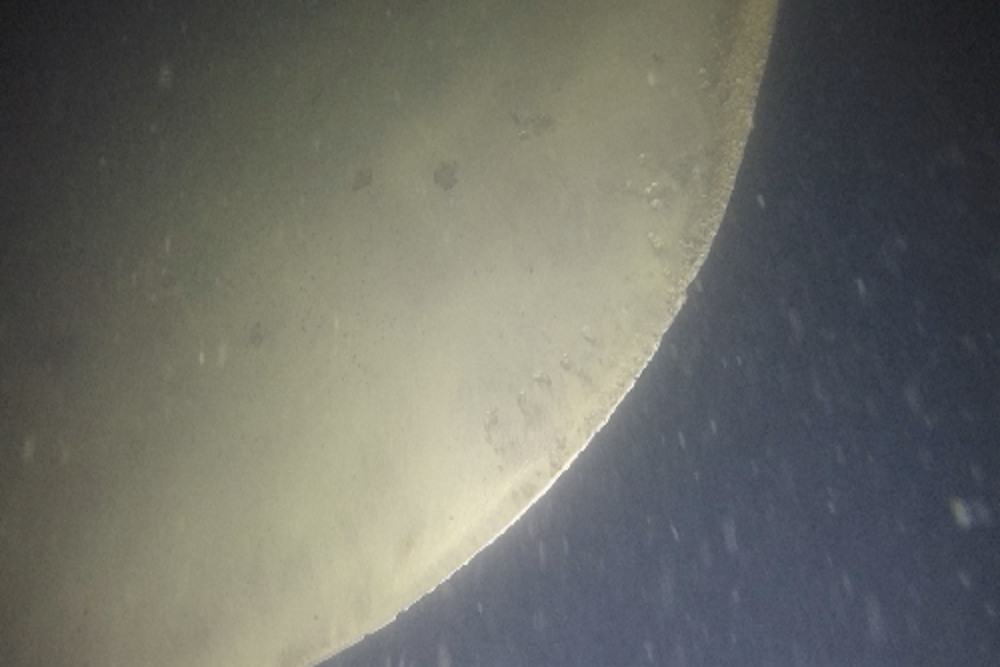
- Blades: generally in good condition, with no pitting, cavitation erosion, tears, cracks or signs of previous repairs. Scouring was noted on the blades. The readings give the owner a reference for planning underwater propeller polishing
- Boss cone: good condition, with cement covers intact
- Propeller shaft: no oil leakage and no damage to the tail shaft assembly
- Rope guard: good condition. However, the divers found ropes entangled in the propeller rope guard and recorded this in the report, so the owner could arrange their removal
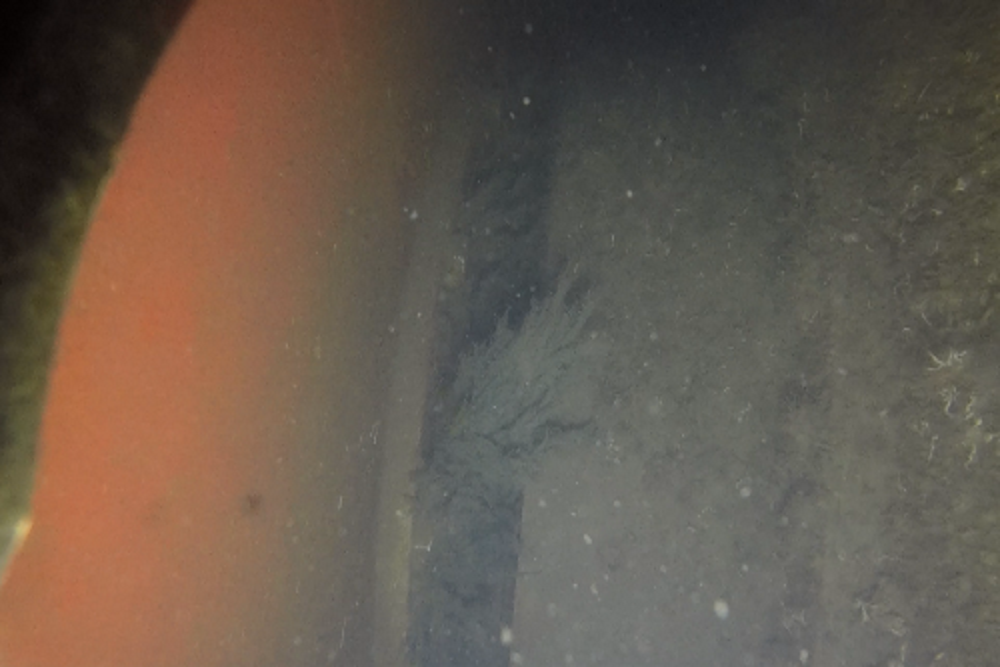
During the inspection, VNS divers recorded underwater photos and video of the inspected hull areas and fittings. The visual records documented the observed fouling, propeller condition and rope entanglement in the propeller rope guard, providing the owner with supporting evidence for the inspection report.
Work Execution
Our dive team of three divers and a diving supervisor travelled from Hai Phong to Cam Pha and reached the vessel by dive boat. After a safety meeting on board, the divers carried out the in-water inspection, recording it with underwater photography and CCTV video.
Because the vessel was working cargo at anchor, the dive was coordinated with the vessel and with the barges alongside. As a result, the team completed the full hull inspection without interrupting cargo operations, and VNS issued the inspection report two days later.
Project Completion
Upon completion of the underwater inspection, VNS submitted a written report to the owner, supported by underwater photos and CCTV video.
The report documented the hull, coating, bilge keels, sea chest gratings, transducers, rudder and propeller condition, together with the recorded marine growth and rope entanglement in the propeller rope guard.
The inspection provided the owner with a documented overview of the vessel’s underwater condition to support future maintenance planning. Any further work, such as hull cleaning, propeller polishing or rope removal, was left for the owner to decide based on the report.
Underwater inspections like this one form part of our underwater services for vessels calling at ports and anchorages across Vietnam.
Related Services
More Projects
- Underwater Propeller Polishing at Hai Phong Port
- Accommodation Ladder Repair at Cam Pha Anchorage
- View All Projects
Contact VNS
Need an underwater hull inspection, hull cleaning or propeller polishing at Cam Pha Anchorage, Hon Gai or another port in Vietnam?
VNS – Vietnam Ship Services Company provides underwater inspection and maintenance services at Vietnamese ports and anchorages. Send us the vessel name, port or anchorage, ETA and required scope of work, and our team will assist with your enquiry and quotation.
Contact Us
VNS – Vietnam Ship Services Company
Head Office – Ho Chi Minh City
No. 8 Hoang Minh Giam Street, Duc Nhuan Ward, Ho Chi Minh City, Vietnam
Hai Phong Branch
213A Lach Tray Street, Gia Vien Ward, Hai Phong City, Vietnam
Phone: +84 869 655 569
Email: vietnamshipservice@gmail.com | vns.shiptech@gmail.com